
Creating a relaxing home workspace is essential for anyone looking to boost productivity while maintaining well-being. Whether you work full-time from home or occasionally need a quiet area to focus, your environment plays a big role in how effectively and comfortably you get tasks done. In this post, we’ll explore simple strategies to help you design a workspace that supports your work goals without sacrificing peace of mind.
Why a Relaxing Workspace Matters
Working in a cluttered or uncomfortable space can lead to stress and decreased efficiency. In contrast, a well-organized, inviting workspace helps reduce distractions, encourages focus, and promotes a positive mindset. With many people spending more time working remotely, setting up a dedicated, calming area has become increasingly important.
Step 1: Choose the Right Spot
Consider Natural Light
Pick a location that receives plenty of natural sunlight if possible. Sunlight improves mood and keeps energy levels steady. A spot near a window is ideal, but if that’s not possible, try to use daylight lamps that mimic natural light.
Minimize Noise and Distractions
Look for a quiet corner of your home away from heavy foot traffic, televisions, or other noisy appliances. If noise is unavoidable, consider noise-cancelling headphones or a white noise machine to create a more peaceful atmosphere.
Step 2: Invest in Comfortable Furnishings
Ergonomic Chair and Desk
Choose an ergonomic chair that supports your lower back and encourages good posture. Your desk should be at a height that lets your arms rest comfortably while typing or writing, reducing strain on your shoulders and wrists.
Add Soft Textiles
Introduce cushions or a soft throw to make your seating more inviting. Soft textures can provide tactile comfort and reduce physical tension during long work hours.
Step 3: Organize and Declutter
Use Storage Solutions
Clutter can be distracting and stressful. Utilize shelves, drawers, or storage bins to keep your workspace tidy. Label containers to make it simple to find what you need quickly.
Keep Only Essentials on Your Desk
Reduce visual clutter by placing only frequently used items on your desk. Store papers, supplies, and electronics in designated spaces not visible during your work hours.
Step 4: Personalize Your Space
Incorporate Plants
Indoor plants bring a touch of nature indoors, improving air quality and mood. Easy-care plants like succulents or pothos are great for workspaces.
Display Inspiring Artwork or Quotes
Add framed prints or posters that motivate and relax you. Personal touches can make your workspace feel welcoming without becoming visually overwhelming.
Step 5: Manage Lighting and Color
Use Soft, Adjustable Lighting
Position task lighting such as a desk lamp with adjustable brightness to prevent eye strain. Avoid harsh overhead lights; instead, opt for warm, diffused lighting to create a calm atmosphere.
Choose Calming Colors
Colors impact mood and productivity. Soft blues, greens, and neutrals are known to create a relaxing environment. Incorporate these shades through paint, accessories, or decor.
Step 6: Take Regular Breaks and Move
A relaxing workspace isn’t just about the physical environment—it’s also about how you use it.
Schedule Short Breaks
Step away from your desk every hour to rest your eyes and stretch. Moving around can reduce fatigue and improve concentration when you return to work.
Include a Stretch or Relaxation Corner
If space allows, set up a small area with a yoga mat, comfortable chair, or meditation cushion. This spot encourages short relaxation or stretching sessions during your break times.
Step 7: Control Technology and Distractions
Manage Notifications
Turn off non-essential notifications on your computer and phone to stay focused. Consider using apps that temporarily block distracting websites during work periods.
Keep Cords and Devices Organized
Use cable organizers to prevent tangling and clutter. A clean workspace helps keep your mind clear.
Final Thoughts
Designing a relaxing home workspace requires some planning but offers great rewards in productivity and well-being. By selecting a quiet spot, choosing comfortable furniture, organizing your space, and personalizing it with items that bring calm, you create an environment where work feels less like a chore and more like a productive, enjoyable activity.
Remember, your workspace should adapt to your needs. Feel free to make changes over time until you find the setup that best supports your focus and peace of mind. A little effort in creating the perfect home office goes a long way toward improving both your work results and daily happiness.
Related Posts
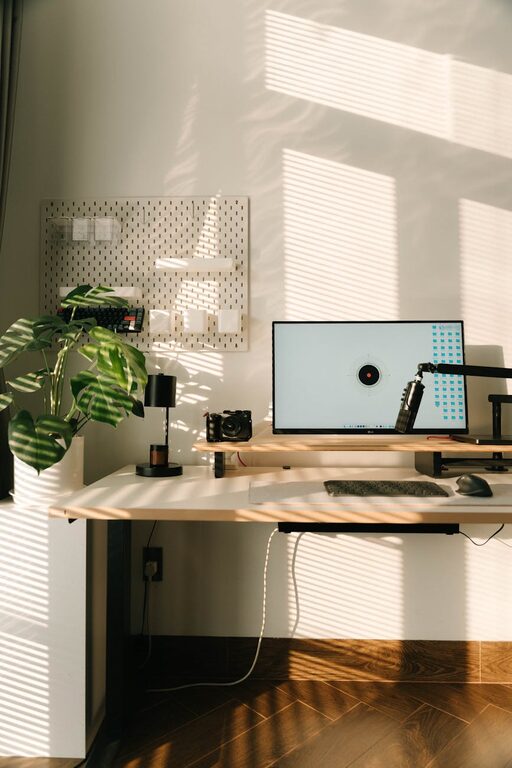
Tips for Creating a Productive Home Office Environment
Creating a productive home office environment is essential for anyone…
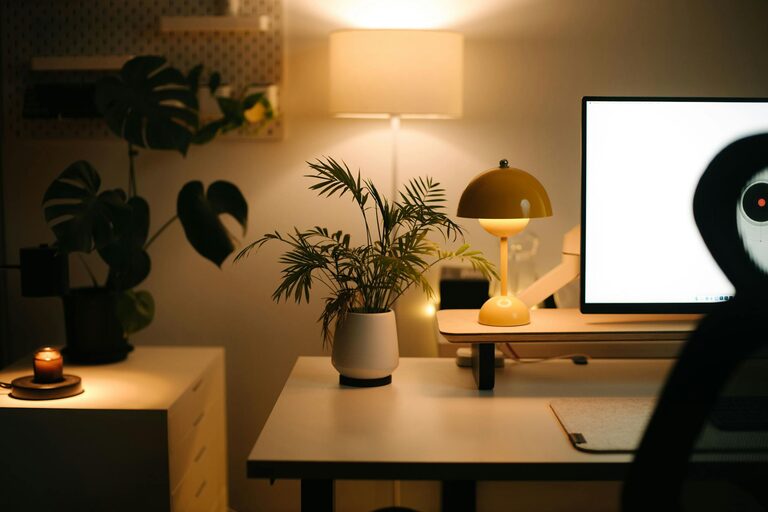
Tips for Creating a Relaxing Home Office to Boost Comfort and Productivity
Creating a relaxing home office environment is essential for maintaining…
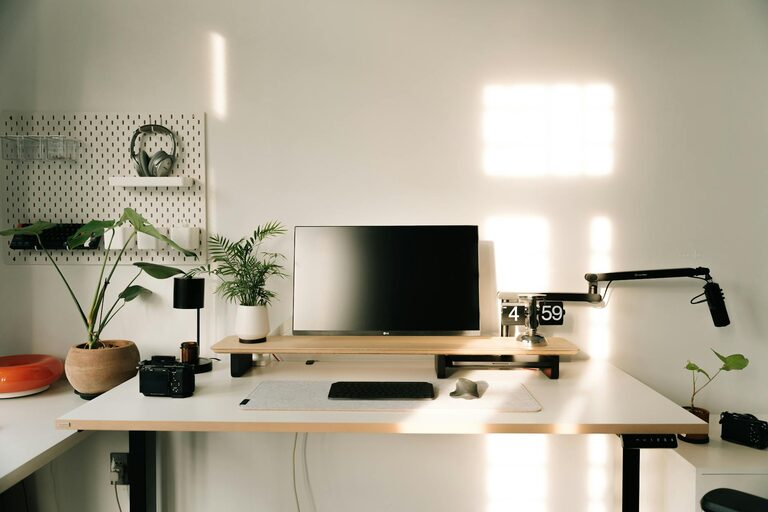
Tips for Creating a Productive Home Office Environment
Creating a productive home office environment is essential for anyone…